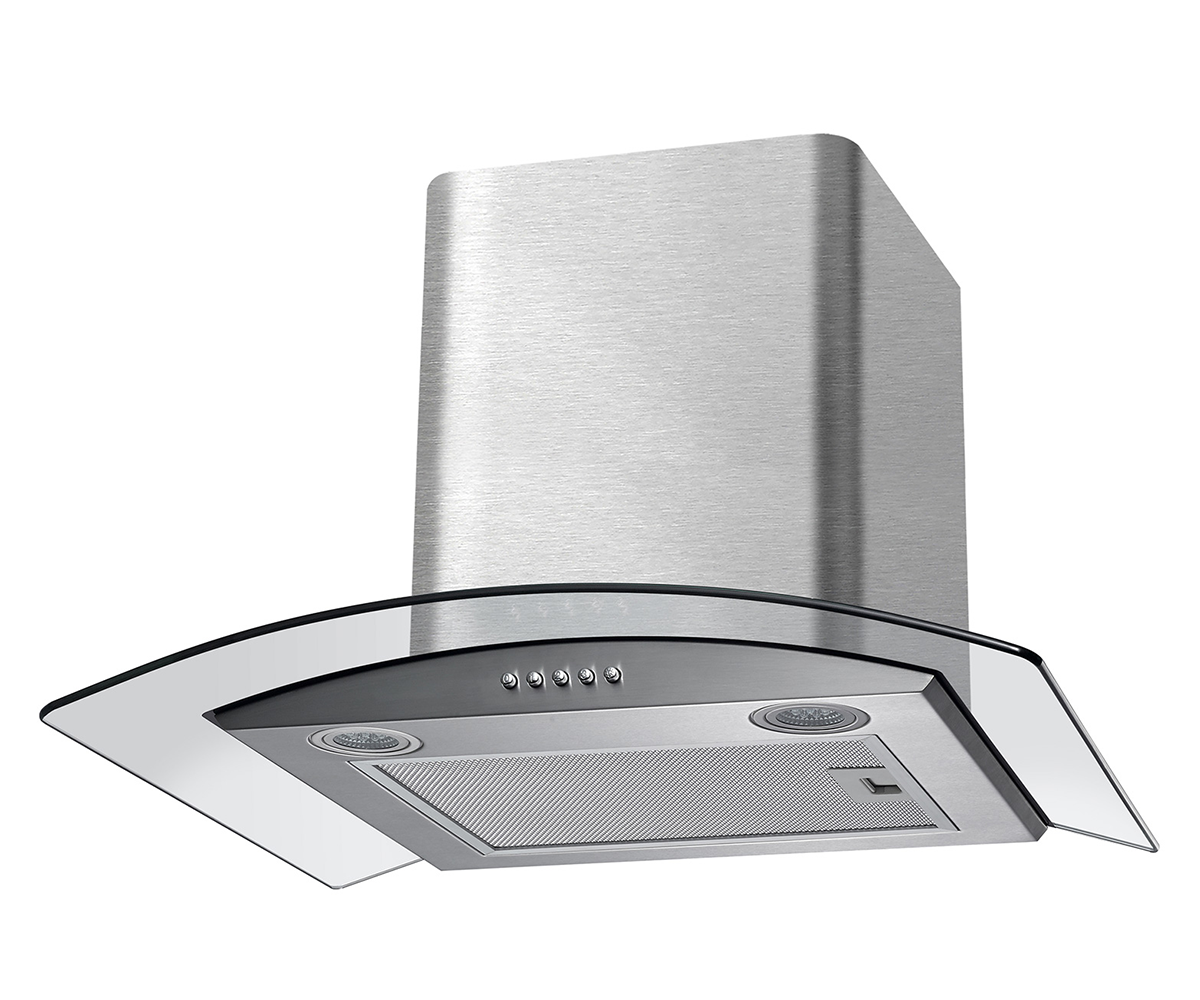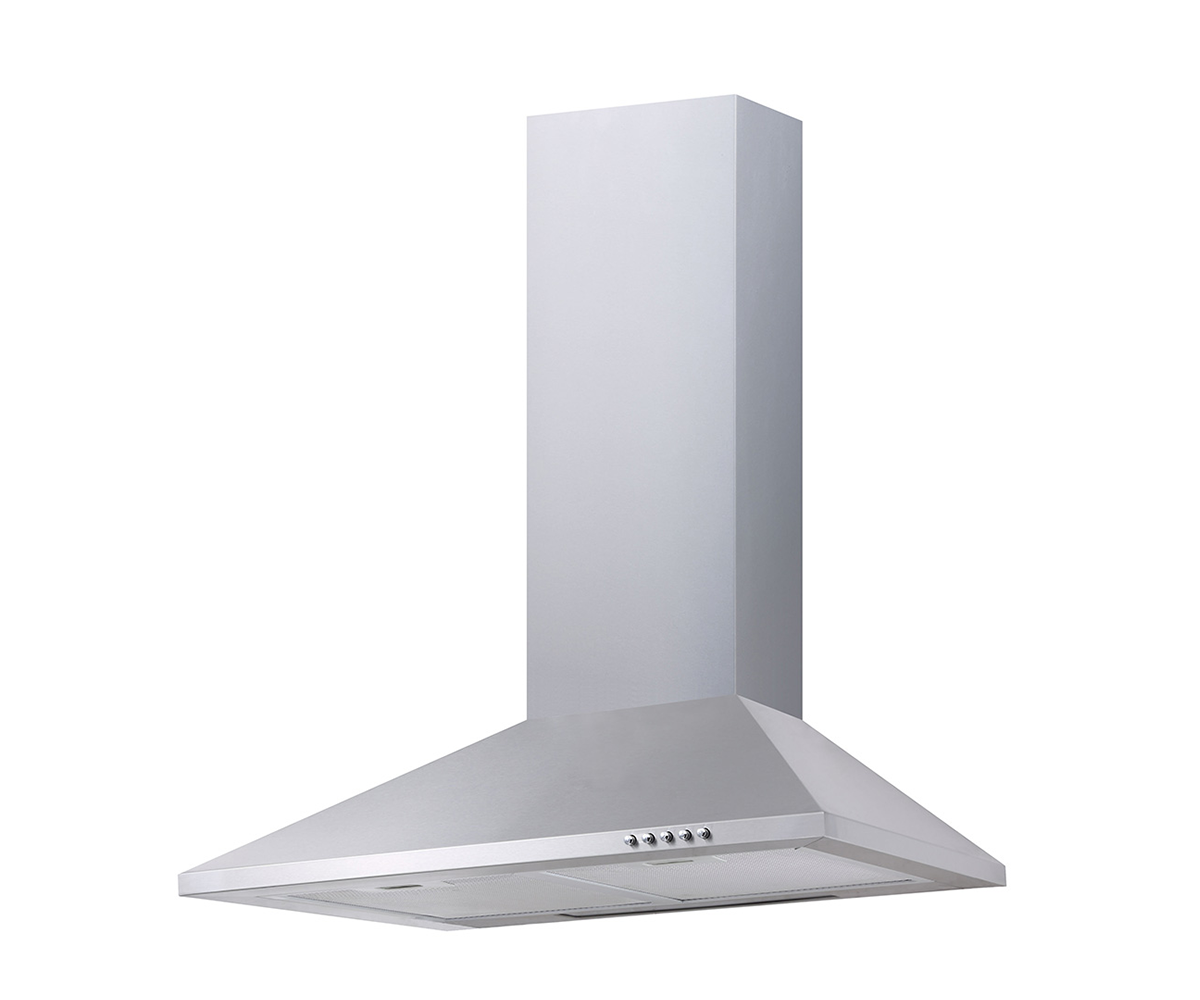
Hoods FAQ

Before contacting our Customer Support team for technical advice, please consult our Problem Solving Guide below. This may help you to identify problems and provide solutions you can try yourself.

Where are the model and serial numbers?

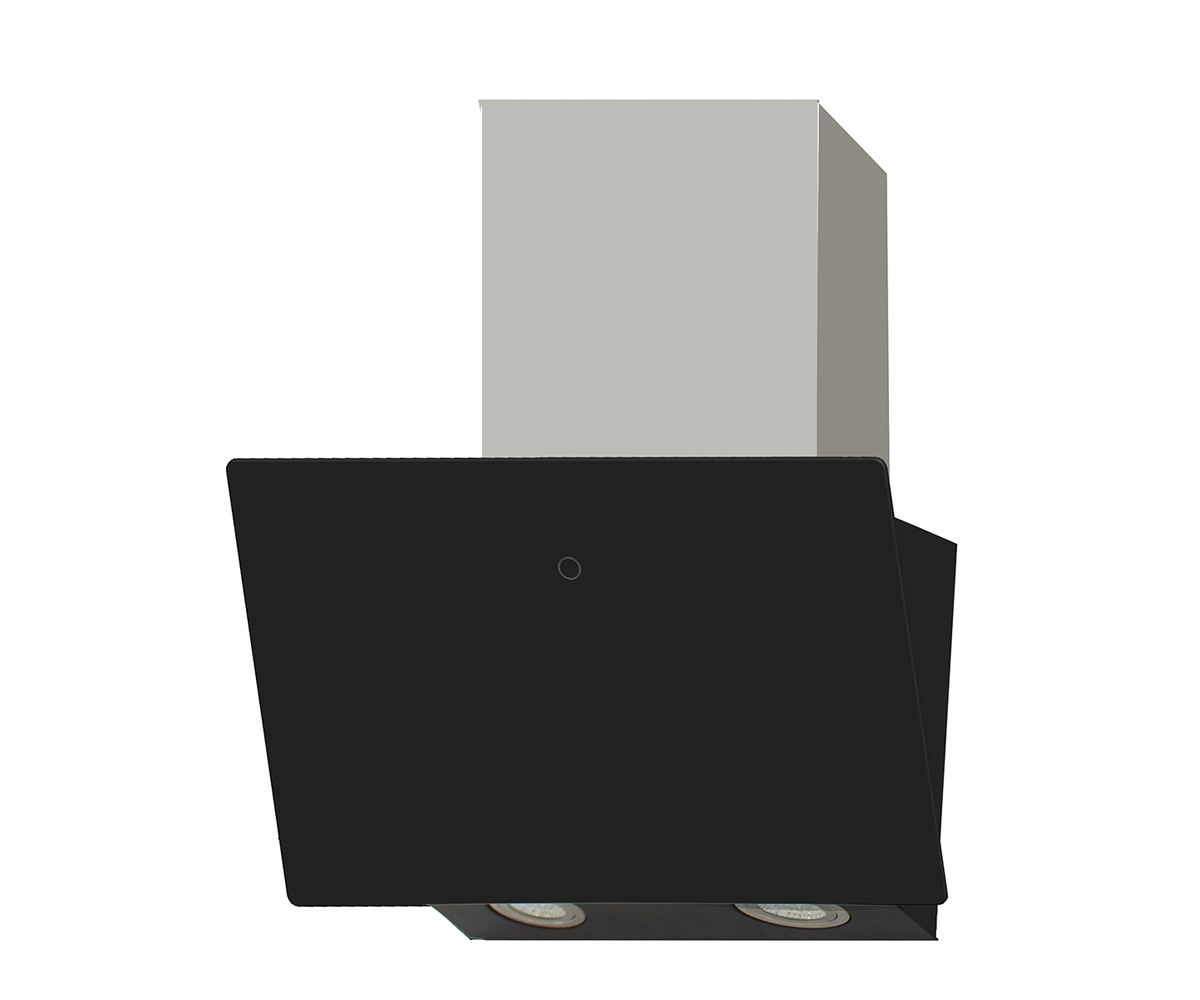
Most model numbers can be found on the rating plate which tends to be located inside the hood on the motor casing. To access the motor remove the grease filters and look inside the hood.

What does the extraction rate mean?

M3/hr stands for cubic metres per hour of exhausting air flow and the higher the number, the greater the amount of air that is exhausted when the hood is running.

What are the hood operation modes for?

  • Exhaust air (extraction) mode
    The fan draws the vapours produced during cooking into the hood, where they pass through the grease filter and out into the open air. The grease filter absorbs the grease contained in the vapours produced during cooking keeping the kitchen almost totally free from grease and odours
  • Recirculating air mode
    Where it is not possible to vent the hood to the outside, you can operate the hood in recirculation mode. The fan draws the vapours produced during cooking into the hood, where they pass through the grease filter and then through the carbon filter before the clean air is discharged back into the kitchen. The grease filter absorbs the grease while the activated carbon filter absorbs any odours. To operate the hood in this mode it is necessary to install an activated carbon filter (available from our Customer Support team)

Can I use an extractor hood in re-circulation mode?

  • Yes all our cooker hoods can be used in re-circulation mode and can also be ducted to the outside atmosphere (extraction mode). To use the extractor in re-circulation mode you will need to purchase and fit carbon filters from our customer support team

Which is better, extraction or re-circulation?

  • Wherever possible, cooker hoods should be ducted to the outside of the home (extraction mode)

How far can I run my ductwork to exhaust my hood?

For maximum performance keep the duct straight and short. Use the shortest route with the fewest turns possible. 45º turns are better than 90º turns. Be sure to use an external roof or wall cap. If in doubt, consult a qualified installer and ensure the guidelines in the installation manual are followed.

Can I exhaust my hood into my attic instead of out the roof or wall?

  • No. You should never exhaust air into spaces within walls, ceilings, attics or garages. The humidity and grease collect in the space and present a huge fire danger

Do I need to purchase an activated carbon filter?

  • Carbon filters are only needed if the hood is to be used in recirculation mode

How often should I replace the carbon filters?

  • It depends on the frequency and type of cooking that is performed. Six monthly is common, but please consult your user manual for guidelines. Replacement filters can be obtained from our Customer Support team

What size ducting is required for my hood?

  • A ducting kit is not supplied with your hood. Please check your installation manual for size before purchasing. Ducting kits are available from most major DIY stores

What type of duct is best for venting a cooker hood?

  • Cooker hoods must be vented using metal duct, preferably a smooth duct as the ridges found in flexible metal ducts can create turbulence which will diminish airflow. Never use a plastic duct on a cooker hood installation. For the correct size of duct please consult your installation manual

Installation requirements

  • To ensure the hood is installed at the correct height above your hob, please follow the installation instructions as detailed in your hood or hob installation manual. As a basic guideline we recommend the hood be installed a minimum distance of 650mm above an electric hob and a minimum distance of 750mm above a gas hob. Can you check this is correct please. I thought some of them were plastic

My hood keeps going even through I have switched it off

  • Some electronic hoods have an automatic timer so that it will continue to work for after it is switched off. We recommend you leave the hood running for 15 minutes after cooking is finished in order to completely eliminate cooking vapours and odours

Steam does not get sucked up into the hood, is there something wrong?

  • Check the fan setting - All hoods have a variable power level. If there is too much being cooked at once then the hood may not take all the steam away
  • Leave the hood running when you have finished cooking -The hood will eventually take away the condensation if it is left on and this will help to reduce condensation on the windows
  • Close doors and windows - when using your hood make sure that other doors and windows are not open at the same time, as the hood may be fighting against the other openings

My kitchen smells of odours even though my hood is vented

  • Change over mechanism - Check that the change over mechanism from vented to recirculation mode is the correct position
  • Ventilation kit check - Check that the ducting is securely connected, otherwise odours will come back into the kitchen
  • External vent flaps - Check that the ventilation flaps that go outside are opening sufficiently to expel the air

What's the best way to clean the surface of my hood?

  • The stainless steel exterior is best cleaned with an "E-Cloth" (micro-fibre textured cloth) and water. Spray the surface of the stainless steel with water (use a plant-mister) and wipe surface with E-Cloth in the same direction as the grain of the steel. Never use aggressive cleaners or solvents otherwise you may damage the surface
  • If the surface is greasy, the stainless steel should be washed regularly with a clean cloth, warm water and washing up liquid. Clean in the direction of the polish lines, rinse well with clear water and wipe dry immediately

How often should I clean my filters?

  • Grease filters - metal grease filters should be washed approximately every month depending on the amount of usage. Wash often if your cooking generates grease like frying foods or wok cooking. The more grease you use, the more you need to clean the filter. Many of these filters can be washed in your dishwasher but check your user manual first for suitability, or alternatively wash in warm soapy water and dry thoroughly before returning to the hood. The metal filters may alter in colour after several washes, this is quite normal and not a cause for complaint
  • Carbon filters - you cannot clean the carbon filters used for recirculation, they must be replaced. New filters can be purchased from our customer support team

Changing the bulb

  • For instructions on how to change the bulbs in your hood, please consult your user manual. For safety please ensure you disconnect the hood from the electricity supply

appliance365 FAQ's

SDA and MDA FAQ | Appliance365, Warrington UK Before contacting our Customer Support team for technical advice, please consult our Problem Solving Guides below. This may help you to identify problems and provide solutions you can try yourself.